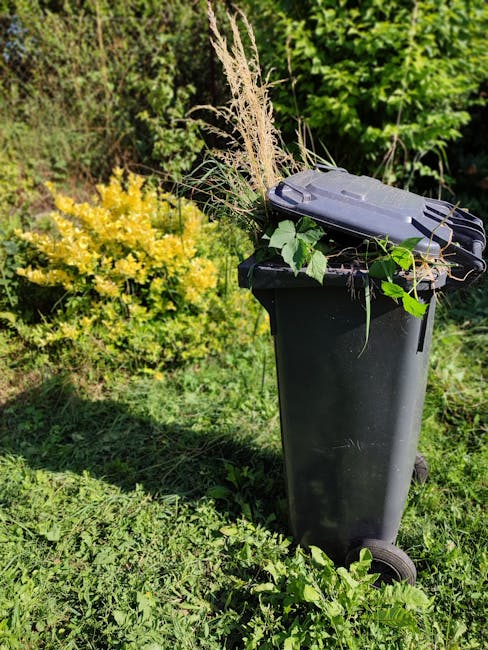
Harrow Council rules for garden waste for North Harrow gardeners
If you garden in North Harrow, garden waste can feel simple on the surface and then suddenly become annoyingly specific. One week it is hedge clippings and lawn cuttings; the next it is branches, weeds, pots, and that slightly soggy pile of autumn leaves that seems to multiply overnight. Understanding the Harrow Council rules for garden waste for North Harrow gardeners helps you stay tidy, avoid hassle, and choose the right disposal route without guesswork.
This guide explains the practical side of local garden waste handling in plain English. It covers what normally counts as garden waste, how collection and disposal are usually approached, what to do with awkward materials, and how to reduce what leaves your property in the first place. We will also look at the best habits for homeowners, landlords, and regular gardeners who want a cleaner, more efficient system. To be fair, once you get organised, it is not that bad.
Why Harrow Council rules for garden waste for North Harrow gardeners Matters
Garden waste looks harmless, but if it is handled badly it becomes one of those small problems that spreads. A heap of clippings can smell, compact, attract pests, and take over a path or driveway. If you mix the wrong materials together, it can also make disposal harder than it needs to be. That is why having a clear, local approach matters.
For North Harrow gardeners, the key point is not just "where do I put this?" It is "how do I sort this so I am using the right route for the right material?" That distinction saves time and avoids those last-minute decisions that happen when the bins are already full and the weekend is slipping away. Everyone has had that moment. You cut the hedge, the bag splits, and suddenly the whole patio looks like a small forestry operation.
Local rules also matter because councils tend to define waste streams differently from one borough to another. What counts as acceptable green waste, what should be kept out, and how containers must be used can vary. So the safest approach is to treat garden waste as something to manage carefully, not casually.
Expert summary: The smartest way to deal with garden waste is to sort it early, keep clean green waste separate from contaminants, and plan disposal before the pile grows. Small routine habits usually work better than one huge clear-up.
How Harrow Council rules for garden waste for North Harrow gardeners Works
While details can change, the general system is usually straightforward: garden waste must be presented in the format the council accepts, kept free from unsuitable materials, and placed out according to the collection arrangement you use. The most important thing is to follow the current Harrow Council guidance directly, because collection days, accepted items, and container rules can change over time.
In practical terms, most household garden waste falls into a few familiar groups: grass cuttings, weeds, leaves, small twigs, hedge trimmings, and other soft plant material. Larger woody prunings, soil, rubble, plant pots, and mixed household rubbish are typically treated differently. That is the bit people often miss.
If you are maintaining a North Harrow garden regularly, the process is usually easier when you separate waste as you work. For example, keep one pile for pure green waste, one for reusable mulch material, and one for items that need a different disposal method. That little bit of discipline makes the end of the job much calmer.
For gardeners who use professional help, service planning matters too. A tidy finish is easier when waste handling is built into the job from the start. If you need ongoing garden upkeep, it can be worth reviewing garden maintenance support so removal, clearing, and seasonal work are coordinated properly.
And if the job includes larger cutbacks such as hedges, shrubs, or boundary planting, it helps to pair waste planning with actual pruning work. Many North Harrow gardens benefit from structured trimming, which is why hedge trimming in North Harrow often goes hand in hand with a sensible waste plan.
Key Benefits and Practical Advantages
Following the rules is not just about avoiding problems. It also makes gardening more efficient, cleaner, and less tiring. A good system gives you a better working rhythm, especially in spring and autumn when the garden seems to grow faster than you can clear it.
- Cleaner outdoor spaces: No lingering piles of cuttings or wet leaves sitting near walls, fences, or patios.
- Less physical strain: When waste is sorted as you go, there is less repeated lifting and moving.
- Better garden health: Removing diseased material promptly helps reduce spread between beds and borders.
- More usable composting opportunities: If you separate suitable materials, you may be able to reuse them productively.
- Lower disposal stress: You are less likely to face a last-minute scramble when collection time arrives.
There is also a subtle benefit that people do not talk about enough: a tidy waste routine makes the garden feel more enjoyable. A cleared path, an emptied trug, and a neat pile ready for collection can completely change the mood of a job. Instead of feeling like endless chores, the garden starts to feel manageable again.
If you are trying to reduce waste at the source, you might also find practical ideas in innovative soil genesis from organic refuse, which explores how organic material can be turned into something useful rather than simply thrown away.
Who This Is For and When It Makes Sense
This guidance is useful for a wide range of people, not only keen gardeners. In North Harrow, garden waste rules matter to anyone who produces plant material on a regular basis. That includes small patio gardeners and people with larger family gardens alike.
- Homeowners who mow lawns, trim hedges, or clear borders each season.
- Landlords and property managers who need outdoor spaces kept tidy between lets.
- Older gardeners who want a simpler, safer routine for handling green waste.
- Busy families who do the garden in short bursts between everything else.
- Tenants who maintain a shared or private outdoor area and need to know what can be disposed of locally.
- Professional gardeners who want to work cleanly and keep disposal costs and time under control.
The rules also matter more at certain times of year. After winter storms, after a hedge cut, during leaf fall, or when a garden makeover creates more material than expected, the waste pile can grow quickly. If your garden is heavily shaded or difficult to dry out, wet waste can also become heavier and messier than you might expect. In those cases, it helps to think ahead rather than react at the end.
For people managing tougher seasonal conditions, related advice on maintaining a garden in severe weather can help reduce the amount of emergency clear-up work later on.
Step-by-Step Guidance
Here is a practical way to handle garden waste without making a meal of it.
- Identify the waste type. Separate soft green waste from woody prunings, soil, and non-garden items.
- Remove contaminants early. Take out plant pots, wire, plastic ties, labels, stones, and household rubbish before anything is bagged or bundled.
- Reduce volume as you work. Chop larger branches down, shake soil from roots where appropriate, and flatten soft material so it is easier to manage.
- Use the right container or storage method. Keep waste contained neatly so it does not blow away or leak across hard surfaces.
- Check the current local collection approach. Confirm what Harrow Council accepts and how it should be presented.
- Store waste safely until removal. Keep it out of the way of paths, children, pets, and anything flammable.
- Dispose responsibly. Use the accepted collection or authorised disposal method, rather than guessing.
A small example helps. Suppose you cut back a rose bed, trim a hedge, and clear a patch of weeds on the same afternoon. If you throw everything into one pile, you end up with mixed waste that is harder to deal with. If you sort it as you go, the end result is far simpler. It is one of those cases where five extra minutes saves thirty later. Easy win.
If your project involves a bigger clear-out, it may make sense to look at breaking ground in a forgotten garden makeover, because larger renovation jobs often produce a very different waste profile from routine maintenance.
Expert Tips for Better Results
Good waste handling is mostly about habits. The better your habits, the less you need to think about it next time.
- Do light sorting while you cut. Don't leave it all for the end. That's when mistakes happen.
- Keep a dedicated waste area. One corner of the garden for temporary holding can make a huge difference, especially on larger plots.
- Cut down bulky clippings early. Shorter material is easier to stack, bag, and move.
- Avoid mixing wet and dry waste too soon. It makes a compact, smelly mess. Not pleasant.
- Use the job as a chance to spot disease. Diseased leaves, mildew, or blight need more care than healthy clippings.
- Plan around weather. A dry day makes handling and moving waste much easier than a drizzly one in late afternoon.
There is also a wider garden-quality benefit. When waste is controlled, the rest of the garden usually looks better, too. Borders feel sharper, lawns recover faster, and patios stay usable. If you are working on a low-budget garden refresh, this can be a surprisingly useful way to keep the whole space improving without overspending. You might like the practical ideas in achieve a beautiful garden without expensive upkeep.
One more thing: if you are pruning hedges regularly, make sure your tool set is up to the job. A blunt tool creates ragged waste and more of it. Simple as that. The right cutting equipment matters, as does a sensible routine for clearing up after each cut.
Common Mistakes to Avoid
Most waste problems come from a few repeat errors. Nothing dramatic. Just small oversights that snowball.
- Mixing garden waste with general household rubbish. This is one of the quickest ways to create avoidable disposal issues.
- Including the wrong materials. Soil, stones, plastics, and treated timber often belong somewhere else.
- Overfilling containers or bags. Heavy, overpacked waste is harder to move and more likely to split.
- Leaving waste exposed in the rain. Wet material becomes heavier, slippier, and less pleasant to handle.
- Forgetting about thorny or sharp cuttings. Rose canes and woody stems can catch skin and tear bags easily.
- Assuming old habits still apply. Council rules and collection arrangements do change, so stale information can mislead you.
Another common mistake is skipping the "what happens next?" step. People do the garden, create the pile, and then realise they have not planned removal. That is where stress creeps in. Better to decide before you start whether the waste is going into a council route, a composting system, or another approved method.
If your garden jobs regularly create awkward material, professional help can be a sensible backup. A broader gardening services arrangement often makes waste handling easier because clearing is considered alongside the work itself.
Tools, Resources and Recommendations
You do not need a shed full of specialist kit, but a few basics make garden waste handling much less frustrating.
- Strong garden bags or bins for keeping material contained neatly.
- Secateurs, loppers, and shears so you can reduce bulky clippings before moving them.
- A rake and stiff broom for collecting leaves, grass, and small debris.
- Heavy-duty gloves for thorny, prickly, or damp waste.
- Wheelbarrow or tub trug for moving material without multiple small trips.
- Compost space if you are separating suitable organic material for reuse.
For many North Harrow gardens, one of the best resources is actually a simple routine. You could call it a habit rather than a tool, but it works. Clear as you go. Sort as you go. Keep the shed door closed so the wind does not spread cuttings halfway across the path. It sounds obvious, but there you are.
For seasonal planting and garden structure, you may also find ideas in 9 versatile ground cover options for UK gardeners and evergreens for shaded nooks, especially if you want to design borders that create less mess and are easier to maintain over time.
And if your outdoor space is shaded, damp, or awkwardly planted, the article on turf growth problems near evergreens is a useful companion read because poor turf growth often leads to more clippings, patch repairs, and repeated clear-up work.
Law, Compliance, Standards, or Best Practice
Garden waste handling sits within a broader duty of care mindset. In everyday terms, that means you should take reasonable steps to store, separate, and dispose of waste responsibly rather than dumping it, hiding it, or sending it off mixed with unsuitable materials. The exact local rules matter, but the principle is consistent: keep waste under control and use the correct route for the material.
For North Harrow gardeners, the safest position is to check the current Harrow Council guidance before relying on any old routine. This is especially important if you are a regular high-volume gardener, if you manage a shared property, or if you are arranging work for someone else. Collection arrangements can be updated, and the accepted contents of garden waste collections may be set by the council rather than by guesswork from neighbours or online chatter.
Best practice usually means:
- keeping garden waste separate from household rubbish, rubble, and recyclables;
- avoiding contamination with plastics, ties, and non-organic debris;
- presenting waste neatly and safely;
- not leaving it in a way that causes mess, obstruction, or nuisance;
- using the correct collection or disposal route for the material type.
Professional gardeners should also think about site safety and customer expectations. If you are booking or comparing services, it helps to understand how waste removal is handled, who is responsible, and whether the job includes clearance at the end. Pages such as health and safety policy and terms and conditions are useful when you want to understand service boundaries clearly.
And yes, it is a bit less glamorous than choosing plants, but compliance is what keeps the whole process calm. The garden looks better, the job finishes cleaner, and nobody has to play detective with a suspicious bag of mixed waste later on.
Options, Methods, or Comparison Table
Different gardens produce different kinds of waste, so the best method depends on volume, material type, and how often you garden. Here is a straightforward comparison.
| Method | Best for | Advantages | Limitations |
|---|---|---|---|
| Council garden waste collection | Routine green waste from household gardening | Convenient, familiar, usually easiest for regular maintenance | Must follow local rules closely; not all materials may be accepted |
| Home composting | Leaves, soft cuttings, small plant waste | Reduces disposal volume, supports soil improvement, low cost | Needs space, patience, and sensible material sorting |
| Professional garden clearance | Large cuts, one-off tidy-ups, overgrown gardens | Saves time, handles bulk waste, good for major projects | Requires planning and may involve additional cost |
| Reuse as mulch | Chipped branches, suitable plant matter | Helps retain moisture and suppress weeds | Not suitable for all waste types; needs correct preparation |
In many North Harrow gardens, the best answer is not one method but a mix. Routine waste can go one way, bulky cutbacks another, and reusable organic matter can stay on site. That balanced approach is often the cleanest and most economical.
Case Study or Real-World Example
Imagine a typical semi-detached North Harrow garden in late spring. The lawn has been cut, the hedge has grown enough to need shaping, and the beds have a few weeks of weeds after a damp spell. Nothing dramatic, just the usual build-up.
The homeowner starts by trimming the hedge and collecting the cuttings in a dedicated bag, then mows the lawn and keeps the grass clippings separate. Weed roots go into a different pile because they are mixed with soil and need checking before disposal. A few twigs are cut down to a shorter length so they do not stab through the bag. By the end, there are three neat piles instead of one bulky mound.
That small change does three things. It makes the space easier to walk through, it reduces the chance of contamination, and it makes the final disposal step much simpler. Nothing fancy. Just a cleaner way of working.
In situations like that, a little planning around the rest of the garden matters too. If you are already cutting back hedges, you may want to link the work with structure and shape, which is why essential hedge trimming techniques can be a helpful companion guide. And if the job has grown bigger than expected, a landscaping review may help you improve layout, access, and long-term maintenance all at once.
Practical Checklist
Use this quick checklist before you finish any garden job in North Harrow.
- Have I separated green waste from plastics, soil, and general rubbish?
- Are sharp or thorny cuttings wrapped or contained safely?
- Have I reduced bulky branches and stems into manageable pieces?
- Do I know the current Harrow Council garden waste guidance?
- Is my waste stored neatly and out of the way?
- Have I avoided overfilling bags or containers?
- Do I need composting, collection, or a one-off clearance instead?
- Have I checked for diseased material that should be handled carefully?
- Is the remaining space tidy enough to prevent trip hazards or pests?
- Do I need help from a professional for the heavier parts of the job?
If you can tick most of those off, you are probably in good shape. And if one or two items are still messy, that is normal. Gardens are like that. They reward consistency more than perfection.
Get a free quote today and see how much you can save.
Conclusion
The Harrow Council rules for garden waste for North Harrow gardeners are easiest to manage when you treat them as part of your gardening routine, not an afterthought. Sort waste properly, keep an eye on what is accepted, and choose the disposal route that suits the amount and type of material you have. That approach keeps the garden cleaner, makes work safer, and saves time later.
It also helps you garden with more confidence. Once the waste side is under control, everything else feels lighter: pruning is easier, seasonal jobs are less stressful, and the whole space feels more manageable. To be fair, that is often the difference between a garden that nags at you and one that genuinely relaxes you.
If you want support with routine maintenance, larger cutbacks, or a garden clear-up that needs a tidy finish, it is worth speaking with a local team that understands the practical realities of North Harrow gardens. A well-handled garden is a happier place, and that matters more than people admit.
If you would like help turning a cluttered outdoor space into something cleaner and easier to maintain, you can also explore about us for a sense of the service approach and working style.
Frequently Asked Questions
What counts as garden waste under Harrow Council rules?
In general, garden waste means organic material from normal gardening work, such as grass cuttings, leaves, weeds, hedge trimmings, and small prunings. Mixed rubbish, soil, stones, and plastics usually need a different route.
Can I put branches in my garden waste collection?
Small branches are often manageable if they are cut down properly, but larger woody material may need a different treatment. The safest approach is to check the current council guidance before placing anything out.
Are leaves and grass cuttings accepted the same way?
Usually they are both treated as garden waste, but they may need to be contained and presented in a specific way. Wet leaves and grass can become very heavy, so sorting and storage matter a lot.
Can I include weeds with the rest of my garden waste?
Often yes, but it is wise to remove excess soil and avoid mixing in household rubbish or pots. If weeds are diseased or heavily seeded, handling them carefully is sensible to stop spread.
What should I do with soil from pots or borders?
Soil is often not treated the same as standard green waste. It can be heavy and may need another disposal route, so do not assume it belongs in the same pile as clippings.
Is home composting a good option for North Harrow gardeners?
Yes, if you have enough space and you are happy to manage it properly. Composting is best for suitable organic material and can reduce the amount of waste you need to move off site.
What is the biggest mistake people make with garden waste?
The most common mistake is mixing too many different materials together. Once that happens, disposal becomes more awkward, heavier, and sometimes more expensive or time-consuming than it needs to be.
How can I reduce garden waste before it builds up?
Regular light maintenance works better than letting everything grow wild and then tackling it in one huge session. Smaller, frequent cuts usually produce easier-to-manage waste and a tidier garden.
Do I need professional help for a one-off garden clear-up?
If the job is large, overgrown, or physically demanding, professional help can be a sensible choice. It saves time and keeps the waste handling side more organised, especially when there is a lot to shift.
Should I store garden waste overnight before collection?
Only if it is kept safely, neatly, and in line with the current local approach. If you are unsure, it is better to avoid leaving loose material out where it can spread, smell, or create a nuisance.
What if my garden waste includes diseased plants?
Diseased material should be handled cautiously because it can spread infection through the rest of the garden. Separate it from healthy waste and follow the most appropriate disposal advice available locally.
Where can I get help with larger garden jobs in North Harrow?
If you need practical support with maintenance, hedge work, or a full tidy-up, a local gardening service can help manage the work and the waste together. That often keeps things simpler from start to finish.