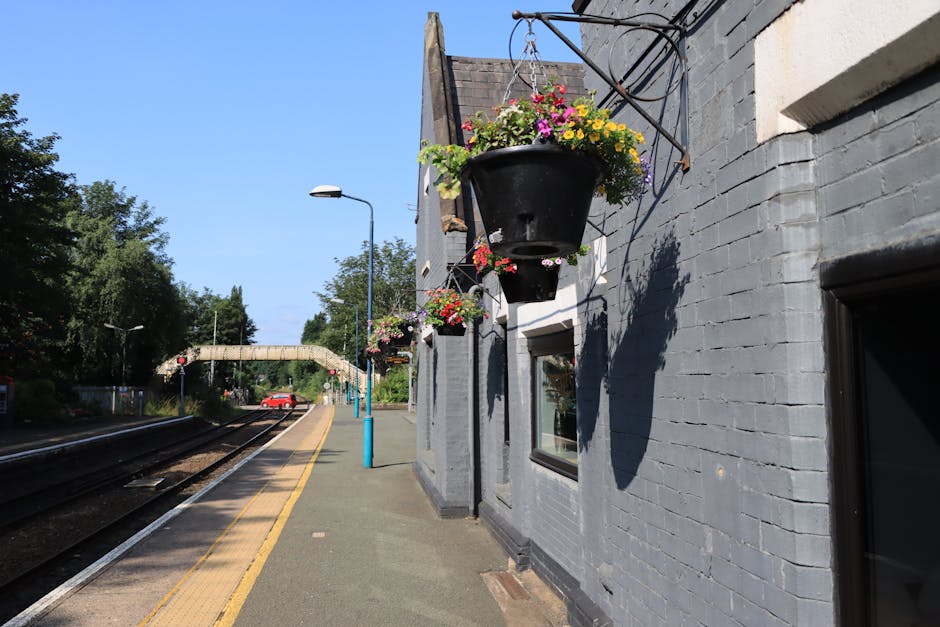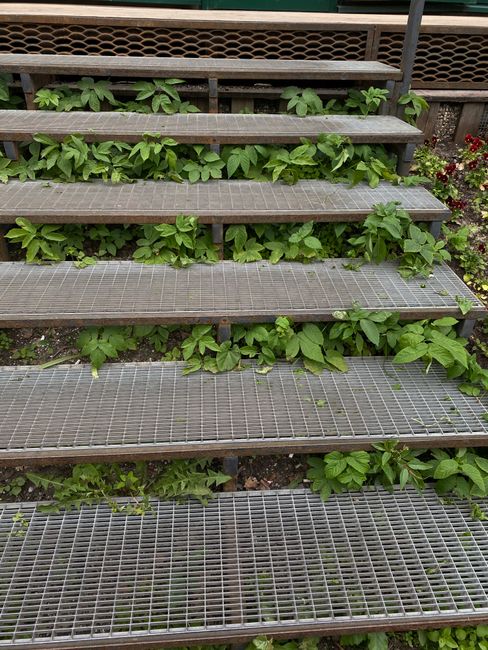
North Harrow station garden makeover by local gardeners: a practical guide to smarter, greener public-facing planting
There's a particular kind of first impression that happens before a person even steps fully out of a station. The platform edge, the path, the planting, the tidy or untidy corners, the little signs of care. A North Harrow station garden makeover by local gardeners is about more than making things look nice. It's about creating a space that feels safer, calmer, and more welcoming every single day, through rain, leaf fall, winter darkness, and that slightly messy rush-hour reality London is famous for.
Local gardeners bring a practical advantage here. They know the pace of the area, the weather swings, the constraints of compact spaces, and the kinds of planting that will not collapse into a soggy disappointment after a few cold weeks. In this guide, we'll walk through what a station-side garden makeover involves, why it matters, what local gardeners actually do on site, and how to choose durable, good-looking solutions that make sense long after the fresh mulch smell has faded.
Why North Harrow station garden makeover by local gardeners Matters
Public-facing green spaces carry more weight than many people realise. A station garden sits in that awkward but important middle ground between private landscape and public amenity. It has to look composed, cope with foot traffic, survive changing weather, and stay tidy without becoming sterile. That balance is not easy. Honestly, it can be a bit unforgiving.
When the planting is neglected, the whole area can feel narrower, darker, and less cared for. But when local gardeners step in with a sensible plan, the space starts doing quiet, useful work. It softens hard edges, filters dust and visual clutter, and gives commuters something restful to look at while they wait for a train or head home after a long day.
In North Harrow, a station garden makeover is also about fit. Local gardeners understand what works in shaded pockets, where wind tunnels can appear between structures, and where compact planting is more realistic than anything high-maintenance. If the area is being reimagined for year-round reliability, they may point you towards ideas discussed in evergreens for shaded nooks or strategies from versatile ground cover options for UK gardens.
Key takeaway: a good station garden should feel calm and cared for without demanding constant intervention. That's the sweet spot local gardeners aim for.
How North Harrow station garden makeover by local gardeners Works
The process usually starts with a walk-through and a realistic eye. Not a fantasy. Not a Pinterest board that ignores shade, salt, root competition, or maintenance budgets. A proper station garden makeover begins with assessing the conditions on the ground: soil quality, drainage, light levels, footfall, existing shrubs, access routes, and the practical question of who will maintain it once the work is done.
From there, local gardeners shape a plan that may include planting refreshes, soil improvement, edging, hedge shaping, seasonal replanting, and hardscape cleaning where needed. In some cases, the makeover is mostly about structure. In others, the focus is on colour and texture. Truth be told, the best projects usually combine both.
For example, a corner that has become tired and patchy might need tougher planting close to the station approach, plus a cleaner line of sight for safety. A longer strip may benefit from low-maintenance shrubs, robust ground cover, and regular trimming. If trees are shading the bed too heavily or creating debris issues, local gardeners may suggest working alongside tree surgery support to restore light and improve plant health.
Where paths, paving, or edges need attention, the makeover often links neatly with patio cleaning and wider landscaping work. Those details matter more than people think. A neat edge can make planting look intentional; a muddy border can undo a whole scheme.
Local gardeners also tend to think in seasons. They'll plan for winter structure, spring recovery, summer growth, and the awkward transition periods when plants are alive but not looking their best. That seasonal thinking is what keeps a station garden from peaking for two weeks and then sliding back into sameness.
Key Benefits and Practical Advantages
A station garden makeover delivers more than visual improvement. The practical value is what keeps it worthwhile over time.
- Better first impressions: tidier planting and cleaner borders make the area feel cared for.
- Improved wayfinding: well-placed planting can guide movement without blocking visibility.
- Lower ongoing stress: choosing robust species reduces the need for constant replacements.
- Year-round structure: evergreens, bark, hedging, and ground cover keep the space presentable in winter.
- Safer, clearer edges: maintenance reduces trip hazards, dead growth, and encroachment on paths.
- Better ecological value: pollinator-friendly planting and improved soil can support local biodiversity.
There's also the less measurable benefit: atmosphere. A planting scheme that feels orderly, alive, and not overdone can soften the stress of a commute. Even a short pause beside a good border can change the tone of a morning. It sounds small, maybe because it is small. But small things add up.
For projects that need to stay attractive without becoming expensive to maintain, it helps to think in terms of durable plant communities and simple upkeep. The ideas in how to achieve a beautiful garden without expensive upkeep fit this approach well.
Who This Is For and When It Makes Sense
This kind of makeover is a good fit for a few different situations. If you are responsible for a shared frontage, a transport-adjacent strip, or a community-facing patch of green, local gardeners can help make sense of the space before it becomes a recurring headache.
It makes sense when any of the following are true:
- the planting looks tired, bare, or inconsistent;
- weeds keep winning, no matter what;
- the soil is compacted or dry under established shrubs;
- the space gets shade, wind, or heavy foot traffic;
- maintenance is irregular and needs simplifying;
- you want a cleaner, more professional public-facing appearance.
It is also worth considering if you need better seasonal resilience. Station gardens often struggle when attention drops in winter, then overgrow suddenly in spring. A design that is compact and practical will always do better than one that depends on perfect weather and weekly heroics. Let's face it, nobody gets that luxury all year.
If the area also needs hedge control, a focused service such as hedge trimming in North Harrow can be part of the wider refresh, especially where boundaries or screening have become untidy.
Step-by-Step Guidance
A good makeover is usually less about dramatic transformation on day one and more about sequencing. Here's the practical flow local gardeners tend to follow.
- Assess the site properly. Check light, drainage, access, and existing plant performance. A quick glance is not enough.
- Clear debris and failure points. Remove dead material, invasive weeds, and broken edging before anything else goes in.
- Improve the soil. Station beds are often compacted. Adding organic matter and loosening the profile makes a real difference. The thinking behind soil improvement from organic refuse is relevant here, even in small doses.
- Set a maintenance-friendly structure. Use shrubs, ground cover, or clipped forms that hold shape with modest care.
- Choose planting for the exact conditions. Shaded, windy, or dry spots each need different species mixes.
- Install in layers. Ground level, middle height, and seasonal accents should work together rather than compete.
- Finish with edges and clean lines. Borders look more professional when their edges are crisp and legible.
- Plan the aftercare. The first 8 to 12 weeks matter. Watering, light deadheading, and weed control protect the investment.
A station garden makeover should also include a realistic maintenance schedule. Even the best planting design can unravel if no one knows who trims, waters, or clears the border in the first month after installation. That bit is unglamorous. Also essential.
Expert Tips for Better Results
Here's where local experience really pays off. These are the details that often separate an okay refresh from one that still looks good six months later.
1. Prioritise resilience over novelty
It's tempting to choose unusual plants for visual interest. A little restraint helps. In public-facing spaces, reliable performers usually beat delicate showpieces. Evergreens, tough perennials, and low-growing structure plants create a stronger base. If shade is a problem, the guidance in greening the gloom with evergreen planting can be especially useful.
2. Keep the palette tight
A limited plant palette often looks more polished. Three to five repeating species can create rhythm and calm. Too many varieties, and the area starts reading as busy rather than designed.
3. Use ground cover where weeds keep returning
In awkward edges or semi-shaded pockets, ground cover can do a lot of quiet work. It suppresses weeds, softens the look of hard edging, and reduces the bare-soil problem. There's a useful overview in strategic weed control and the article on ground cover options for UK gardeners.
4. Design for visibility as well as beauty
On station-adjacent sites, you cannot let planting obscure sightlines or create hidden corners. Low layers near paths and controlled height in the middle of beds usually work best. Safety and attractiveness should support each other, not compete.
5. Don't forget the unglamorous parts
Mulch, edging, pruning cuts, litter pickup, and watering plans are not the exciting bits, but they are what keeps the whole scheme honest. A clean finish reads as care. A messy finish reads as compromise.
If the area is exposed to harsh weather, a little extra thought goes a long way. The advice in maintaining gardens in severe weather and building a wind-resilient garden is particularly relevant for exposed station settings.
Common Mistakes to Avoid
Most bad outcomes in this kind of project are not dramatic failures. They're small bad choices repeated until the garden quietly gives up.
- Using plants that need more attention than the site can provide. Beautiful today, struggling next month.
- Ignoring drainage. If water sits in a border, planting problems follow quickly.
- Overcrowding the bed. Plants look small at installation and suddenly, a few weeks later, there's no air or light movement.
- Skipping soil improvement. The best design still suffers in tired, compacted ground.
- Letting hedges grow without a plan. They can become too thick, too wide, or simply awkward. If shaping matters, keep an eye on hedge trimming techniques.
- Forgetting the maintenance handover. Even a small patch needs someone to own the routine.
One thing people often underestimate is edge definition. A border with neat edging and a clean approach can look twice as intentional as one with the same plants but rough boundaries. That's the funny part: sometimes the smallest detail does the biggest visual lift. Not glamorous, but true.
Tools, Resources and Recommendations
For local gardeners carrying out a station-side makeover, the right tools make work safer, faster, and neater. You do not need every gadget under the sun, but you do need dependable basics.
- Hand tools: secateurs, loppers, hand forks, trowels, and a strong spade.
- Clearing tools: leaf rakes, sturdy bags, weed tools, and a broom for hard edges.
- Soil tools: compost, mulch, and a wheelbarrow or tubs for moving material.
- Measuring and layout: tape measure, string line, and marker pegs for clean spacing.
- Watering support: hose access, watering cans, or temporary irrigation where needed.
If the site needs a more general upkeep routine, a garden maintenance plan can help keep the makeover from slipping. And for spaces where lawn is part of the picture, lawn care or lawn mowing may be part of the wider picture, though station-adjacent beds often lean more toward planting and structure than turf.
For projects that need broader physical changes, it can help to bring in general gardening services or more comprehensive landscaping support so the whole space works as one coherent design.
People sometimes ask whether a station garden should include containers. The answer is: sometimes, yes. If access is tight or the soil is poor, container planting can add flexibility and seasonal colour. The article on container gardening gives a good sense of how to think about that approach.
Law, Compliance, Standards, or Best Practice
For a station-area project, compliance is mostly about safety, access, and responsible working rather than flashy bureaucracy. The details will depend on who owns or manages the site, but a few broad best-practice points apply.
First, any work near public walkways should be planned so it does not create avoidable trip hazards, blocked access, or sharp debris on the ground. That sounds obvious, but there's a reason professionals build their workflow around it. Public areas are not forgiving.
Second, safe working methods matter. Good practice typically includes clear tool handling, appropriate protective equipment, careful manual lifting, and tidy site closure at the end of the day. If work is being done near roads, entries, or busy footpaths, the team should keep the area controlled and visible.
Third, if plant selection touches wildlife, shade, or weather exposure, the garden should be designed with realistic aftercare in mind. Avoiding aggressive species, allowing room for growth, and choosing planting that suits the site are all part of responsible practice.
For general reassurance, it is sensible to check a provider's policies around health and safety, insurance and safety, and accessibility if the work affects public access or shared use. If you are comparing providers, the pages on terms and conditions, payment and security, and complaints procedure can also tell you a lot about how professionally they operate.
And yes, it's worth reading the small print now rather than after the work starts. Nobody enjoys that conversation later.
Options, Methods, or Comparison Table
There's more than one way to approach a station garden makeover. The right method depends on budget, maintenance capacity, and how visible the space is.
| Method | Best for | Strengths | Trade-offs |
|---|---|---|---|
| Full planting refresh | Areas that feel tired but have usable soil | Strong visual impact, flexible design, good biodiversity potential | Needs careful plant choice and early watering |
| Low-maintenance structural scheme | Sites with limited upkeep capacity | Reliable year-round appearance, simpler maintenance | Can feel less seasonal if not planned carefully |
| Hardscape-led tidy-up | Spaces with poor beds or damaged edges | Quick visual improvement, cleaner access routes | Less ecological value if planting is minimal |
| Mixed planting and maintenance plan | Most station-side gardens | Balanced, practical, adaptable through the seasons | Requires a bit more planning upfront |
In most cases, the mixed approach wins. It gives you enough structure to stay tidy, enough planting to feel alive, and enough flexibility to adjust over time. If the aim is to make the space both attractive and manageable, that balance usually lands best.
Case Study or Real-World Example
Picture a modest station frontage with a narrow bed, patchy shrubs, a few bare gaps, and weeds recurring at the edge of the path. Nothing dramatic, just tired. The kind of place people stop noticing because it has become part of the background.
A local gardening team might begin by clearing old debris and cutting back overgrown material. They would then improve the soil, check where light actually reaches, and rebuild the border with a simple palette: one evergreen structure plant, one low ground cover, and a seasonal layer for colour. If the existing hedge is lopsided or too dense, they may reshape it to improve definition and visibility, using principles similar to those in fast-growing hedge solutions and precise trimming work.
Then come the finishing touches. Fresh edging, a layer of mulch, a careful water-in, and a maintenance plan for the first few weeks. Not glamorous. But the result is immediate enough that commuters notice it, even if they can't quite say why. The space looks calmer. More intentional. Less like a leftover and more like part of the station's character.
That's usually the best sign of a successful makeover. People do not just see the work. They feel the difference as they pass through.
Practical Checklist
Use this checklist if you are planning or reviewing a station garden refresh.
- Survey the site in daylight and note shade, wind, and access points.
- Check drainage and signs of compacted soil.
- Remove dead growth, litter, and persistent weeds.
- Decide whether the space needs planting, edging, hedge work, or hardscape cleaning.
- Choose robust species suited to the exact conditions.
- Keep the plant palette simple and repeat key species.
- Include year-round structure, not just seasonal colour.
- Plan aftercare for watering, deadheading, and weed control.
- Confirm safe working methods and access arrangements.
- Agree who maintains the space after the makeover is complete.
If you want the project to stay manageable rather than becoming a recurring rescue job, this checklist is the bit to keep close. Simple, but not simplistic.
Conclusion
A North Harrow station garden makeover by local gardeners works best when it blends design sense with local know-how. That means choosing the right plants, respecting the site's practical limits, and building a maintenance plan that won't unravel the moment the weather turns or attention slips. Local gardeners are well placed to make those decisions because they understand the difference between a garden that merely looks good on installation day and one that keeps earning its place month after month.
Done properly, the result is a station area that feels more open, more welcoming, and more quietly cared for. That matters to commuters, visitors, and anyone who simply appreciates a bit of greenery that knows its job. Small improvements can change how a place feels. And in a busy neighbourhood, that counts for a lot.
If you're planning a refresh or want a practical opinion on what will work best for the space you have, the next step is straightforward. Speak with the local team about what the site needs, what level of upkeep is realistic, and how to build a makeover that lasts.
Get a free quote today and see how much you can save.
Frequently Asked Questions
What does a North Harrow station garden makeover by local gardeners usually include?
It often includes clearing tired planting, improving soil, replanting with tougher species, trimming hedges, refreshing edges, and setting up a maintenance plan. The exact mix depends on the site conditions and how much change is needed.
Why use local gardeners instead of a general crew?
Local gardeners usually understand the area's weather, shade patterns, seasonal pressure, and practical upkeep realities. That local familiarity often leads to better plant choices and fewer maintenance surprises later.
How do you make a station garden low maintenance?
Use resilient plants, repeat a small number of species, build good soil, and avoid designs that rely on constant deadheading or replacement planting. Ground cover, evergreen structure, and careful edging help a lot too.
Can a station garden makeover work in shade?
Yes, absolutely. Shade just means the planting plan needs to be more selective. Evergreens, shade-tolerant shrubs, and the right ground cover can make even gloomy spots feel intentional and full.
How long does a makeover like this take?
That depends on the size of the space and how much clearing or rebuilding is needed. A small refresh can be quite quick, while a fuller redesign naturally takes longer because soil, edging, and planting all need proper attention.
What plants usually work best near a station?
Hardy, robust plants with good tolerance for varied conditions are usually the safest bet. Local gardeners often lean towards structural shrubs, evergreen planting, tough perennials, and practical ground cover rather than delicate varieties.
Is it worth adding ground cover instead of bare soil?
Yes, in many cases. Ground cover helps suppress weeds, reduces exposed soil, and creates a more finished look. It is especially useful where maintenance time is limited or where borders are awkwardly shaped.
Do station-side gardens need seasonal maintenance?
They do. Even low-maintenance designs still need some seasonal care, especially in autumn and spring. Leaf clearance, pruning, and occasional soil top-ups keep the space looking tidy and healthy.
What if the area already has overgrown hedges or shrubs?
That usually becomes part of the project. Careful reduction, reshaping, or selective replacement can restore structure and light. In some cases, a trimmed hedge line makes the whole space look newly designed.
How do I know if the soil needs work before planting?
If the ground is compacted, dry, waterlogged, or full of old roots and debris, it will probably need improvement. Good gardeners always check soil before planting because strong plants struggle in poor ground no matter how nice they look at first.
Can a station garden makeover improve safety as well as appearance?
Yes. Clearer sightlines, tidy edges, and reduced clutter can all make a station-side space feel safer and easier to navigate. That is one reason design and maintenance should be planned together.
How do I get started with a local gardener in North Harrow?
The simplest route is to arrange a site discussion, explain the current problems, and ask for a practical plan rather than just a visual idea. A good conversation at the start saves a lot of guesswork later.